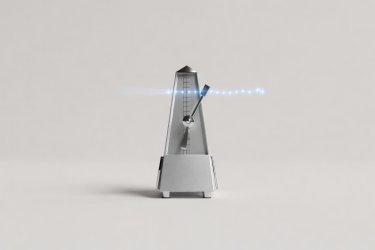
Pulse Literacy
Learn how to count 8-count phrases, isolate the snare on beats 2 and 4, and stop feeling behind the music.
READ RHYTHM GUIDEDance fitness does not require stage pedigree, flawless sync, or mirrors lined with harsh fluorescent tubes. We present a clear, sustainable framework that separates musical counting from acrobatic strain, helping you build genuine stamina, coordination, and daily vitality on your own terms.
When adults hesitate to begin dance conditioning, the fear is rarely physical exhaustion—it is choreography embarrassment. Mainstream commercial studios frequently treat social movement as an audition, expecting newcomers to memorize sixteen-count sequences while matching rapid turns. In reality, sustained aerobic health and motor agility stem from steady cardiovascular tempo, weight transfer, and core cadence.
By decoupling dance from competitive performance, we transform musical steps into an intuitive physical practice. Whether you follow upbeat afro-beats, vintage four-on-the-floor disco, Latin montunos, or downtempo electro grooves, rhythm becomes a steady partner rather than an exam you risk failing.
A well-structured dance workout is not thirty uninterrupted minutes of chaotic jumping. It is a calculated progression through physiological readiness, musical tempo management, and recovery deceleration.
Spend five minutes establishing the underlying tempo (typically 115 to 128 BPM). Light lateral weight shifts synchronize breathing with the kick drum prior to any arm choreography.
Unlike straight-line jogging or stationary cycling, dance engages frontal, sagittal, and transverse planes. Hips, ankles, and thoracic spine gently rotate under controlled load.
Instead of halting abruptly, sessions wind down through half-time step-touches, allowing cardiac rate and venous return to stabilize naturally without dizziness.
Select your entry pathway based on what you need most today. Each dedicated guide provides thorough, research-backed advice with no commercial fluff or unrealistic promises.
Learn how to count 8-count phrases, isolate the snare on beats 2 and 4, and stop feeling behind the music.
READ RHYTHM GUIDE
Build a 30-minute balanced workout block with warm-ups, tempo ladders, and active cool-downs for home spaces.
VIEW SESSION GUIDE
Protect your knees, lower back, and neighbors' ceilings with non-jump substitutions that retain metabolic burn.
ADAPTATION TECHNIQUES
Incorporate 90-second posture resets and kitchen beat-taps between desktop screen blocks throughout the day.
EXPLORE DAILY HABITSA sustainable movement practice is rarely defined by one exhausting gym visit followed by six days of absolute sedentariness. The human body thrives on rhythmic micro-stimuli: ankle flexion while making morning tea, lateral rib cages glides between video calls, and rhythmic brisk walks listening to structured tracks.
Shift weight from heel to metatarsal for 60 seconds after seated focus to re-engage calves and lymphatic drainage.
Use boiling water or microwave cycles as natural 2-minute markers for cross-body heel digs.
Lock your walking cadence to a constant 120 BPM playlist to turn standard errands into purposeful cardio.
Common mental roadblocks that prevent capable people from enjoying rhythmic fitness:
Rhythm is an auditory skill, not a biological birthmark. If you can tap a steering wheel or nod your head when a bassline hits, your central nervous system already understands timing. We train you to step only on count 1 before worrying about counts 2 through 8.
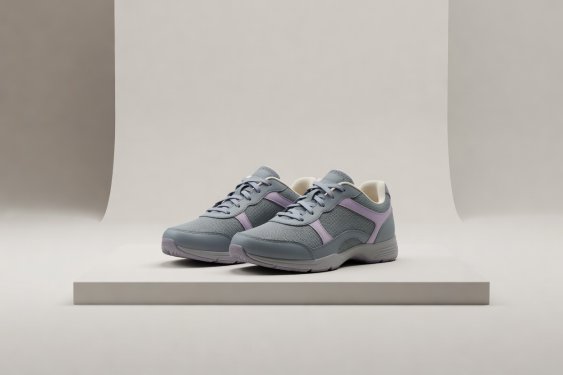
For home living rooms with carpet or wood floors, clean flat-soled sneakers with reduced tread work best. Heavy running shoes often have sticky rubber lugs that can trap the forefoot during pivoting; smooth pivot circles make rotational steps safer for knees.
bouncybunchshowtick.asia is an independent educational portal established to demystify movement culture. We are not selling subscriptions, diet teas, or franchise studio memberships. Our editorial team compiles physiological facts, musical basics, and honest biomechanical advice for everyday people seeking joyful, lasting fitness.